


Aerospace manufacturing demands some of the highest standards in the modern industry. Every assembly step, quality inspection, torque value, and material traceability record matters. One undocumented deviation can lead to failed audits, production delays, rework, or even safety risks.
That’s why aerospace manufacturers are replacing paper procedures and PDFs with digital work instruction software.
These days, aerospace companies need more than regular static instructions. They need systems that support:
- AS9100 compliance
- Real-time traceability
- Revision control
- Operator guidance
- Quality validation
- Connected manufacturing workflow
This guide covers what to look for in aerospace work instruction software, which features matter the most for compliance and traceability, and how to evaluate your options before committing to a platform.
Why Aerospace Manufacturing Requires Specialized Work Instructions
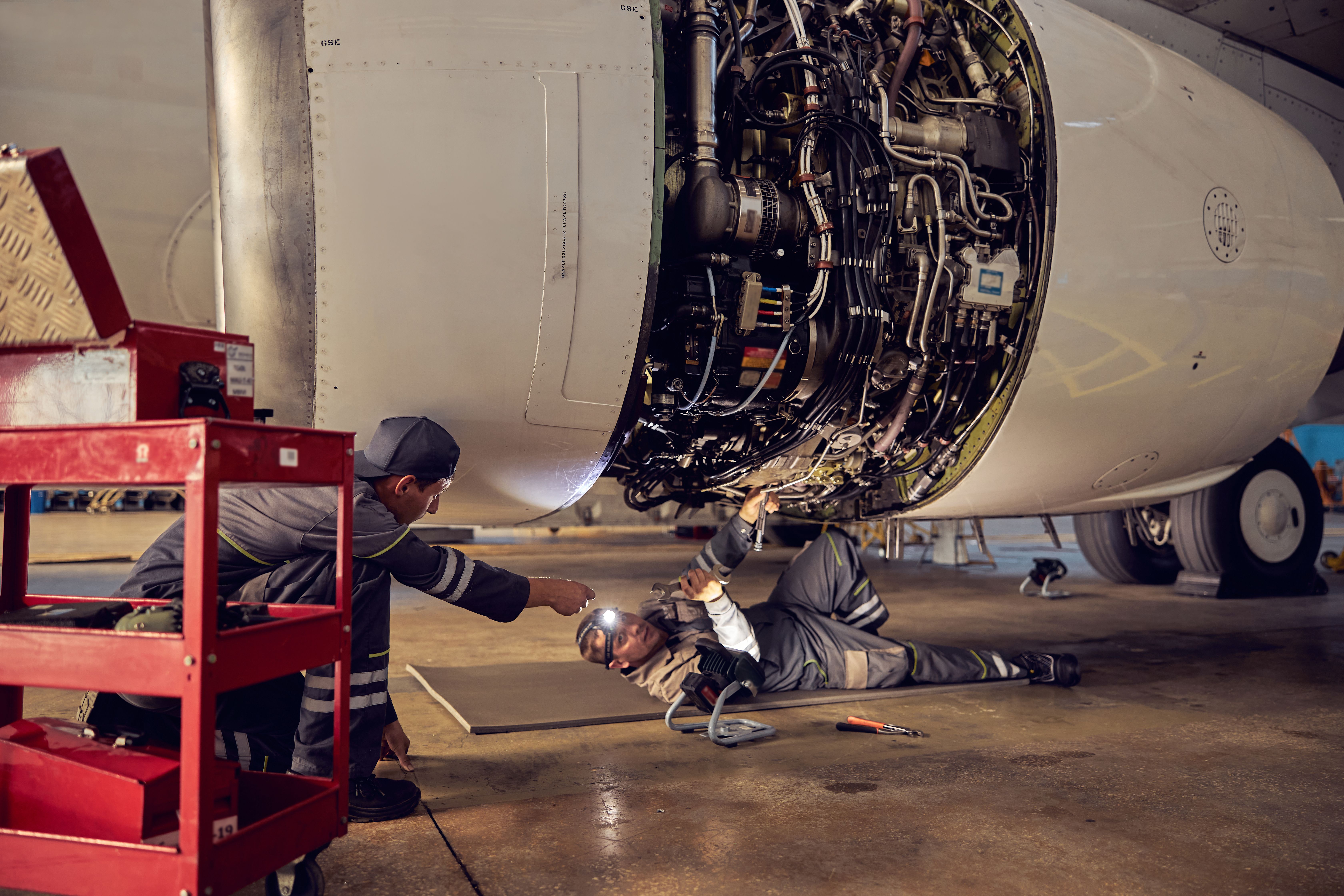
In aerospace manufacturing, each step must be clearly documented. Operator actions must be verified. It is essential to track everything through the full production lifecycle. All work must follow strict standards like AS9100D, AS9110, and AS9120.
Traditional paper instructions create some big challenges:
- Outdated revisions on the shop floor
- Missing signatures
- Limited visibility into execution
- Difficult audit preparation
- Poor traceability during inspections
This is especially problematic in high-mix, low-volume aerospace environments where processes often change, and products are complex.
Recent aerospace manufacturing research shows that digital tools and connected data systems are vital.
They help maintain quality assurance, traceability, and operational efficiency in aerospace production.
The need for better process control is becoming even more important as aerospace production continues to grow. More recent research published in the CEAS Aeronautical Journal notes that commercial aircraft demand is expected to remain strong over the coming decades, placing increasing pressure on manufacturers to improve productivity, quality, and workforce efficiency.
At the same time, the study highlights a growing challenge: aerospace manufacturing remains highly dependent on skilled workers performing complex assembly and inspection tasks.
While automation continues to expand, many aerospace processes still require human judgment, adaptability, and expertise. As a result, manufacturers are increasingly investing in human-assisted digital systems that help operators perform complex work more consistently while maintaining the traceability and quality standards required by the industry.
This change is a major reason. Digital work instruction platforms and connected worker technologies are now essential. They are part of modern aerospace manufacturing strategies.
Why Aerospace Manufacturers Are Moving Beyond Static Work Instruction Systems
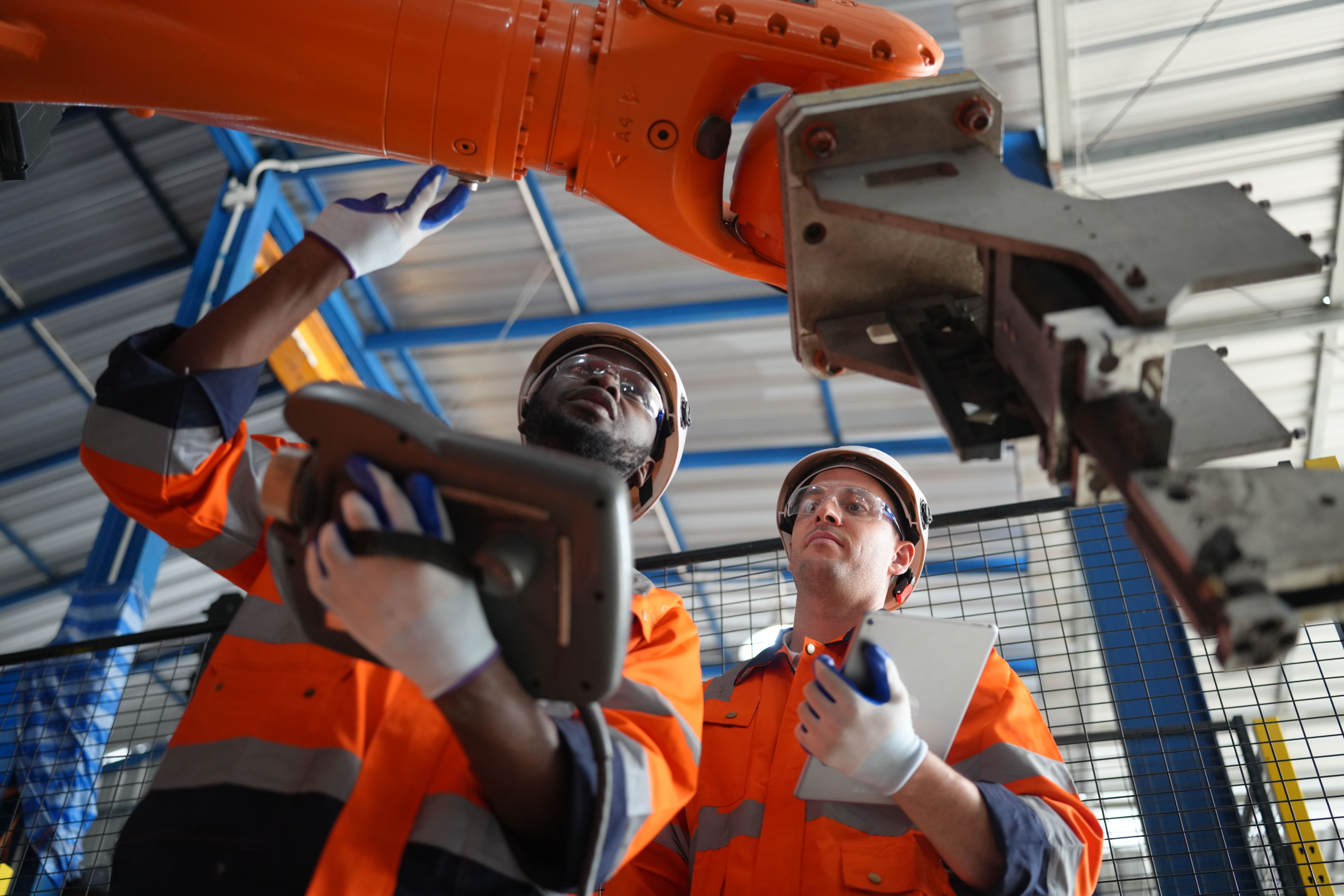
Many aerospace companies have turned their work instructions into digital formats. However, simply digitizing these documents doesn't address the ongoing issues of tracking work, ensuring compliance with regulations, and maintaining control over processes.
In many facilities, instructions still come as static PDFs. They may sit in separate document systems. Or they are kept in standalone programs. These tools don’t clearly show how tasks are done in practice.
This lack of integration and visibility can make it difficult for companies to understand their processes fully and ensure that everything is done correctly.
Manufacturers need to know:
- Which version of the process was used
- Who performed the work
- When the work was completed
- What quality checks were performed
- Whether the approved procedure was followed
- Which serial numbers, lot numbers, or components were involved
When work instructions don’t match up with what actually happens, it can take a lot of time and effort to find the right information.
Today’s aerospace manufacturing isn't just about keeping documents organized. It needs connected processes that bring together procedures, workers, quality checks, training records, and production data into one easy-to-follow system.
Modern work instruction platforms help address these challenges by automatically:
- Managing document revisions and approvals
- Recording execution history in real time
- Capturing operator sign-offs and quality validations
- Linking production records to specific builds and serial numbers
- Maintaining audit-ready documentation
The result is greater process visibility, stronger traceability, and reduced compliance risk while improving consistency across production operations.
What Separates Aerospace Work Instruction Software from Standard Solutions?
The real question is not whether instructions should be digital, but whether the platform can support the level of precision, traceability, and compliance required in aerospace environments.
Modern aerospace work instruction systems go beyond simple document digitization by combining operator guidance, data collection, quality validation, and traceability within a single workflow.
Depending on the platform, manufacturers may be able to incorporate:
- Images and visual guidance
- Videos and animations
- Annotations and markups
- Smart forms and data fields
- Real-time data collection
- Responsive quality checklists
- Device/tool integrations like torque tools, PLC, IoT sensors, and more.
This lets workers quickly access the right information and best procedures right where they need them. At the same time, it keeps a full record of what’s done, what was used, who did it, and when, which helps aerospace manufacturers keep track of their operations, meet regulations, and continuously improve.
How Digital Work Instructions Support AS9100 Compliance
A digital work instruction platform is designed to actively ensure compliance instead of just storing documents. It gives operators the latest instructions. It links training needs to specific tasks. It confirms workers are qualified for critical jobs.
These platforms also include quality checks, data collection, digital approvals, and validation steps within the workflow. They automatically record execution data, timestamps, inspection results, and traceability details.
This creates a clear production history that supports audits and investigations. During AS9100 reviews, quality teams can easily demonstrate compliance by showing which procedures were followed and what quality checks were done.
While the software alone doesn’t guarantee AS9100 certification, it helps organizations track compliance, improve control and traceability, reduce errors, and maintain necessary compliance records
A strong aerospace work instruction system should help manufacturers:
- Ensure operators always use the latest instructions and revision numbers
- Capture digital signatures and approvals
- Validate process completion
- Record inspection checkpoints
- Track serial numbers and lot data
- Support corrective action investigations
- Maintain complete production history
This is especially valuable for manufacturers operating under:
- AS9100D
- AS9110
- AS9120
- FAA-regulated environments
- Defense manufacturing requirements
As aerospace regulations continue to evolve, manufacturers need systems that not only support compliance today but can also adapt to future requirements. Digital work instruction platforms provide the structure, traceability, and process control needed to build a strong foundation for certifications while helping organizations continuously improve quality and operational performance.
Learn more about how VKS can help you get the manufacturing certifications you need: 6 Manufacturing Certifications to Get with the Help of VKS
The Most Important Features to Look for in Aerospace Work Instruction Software
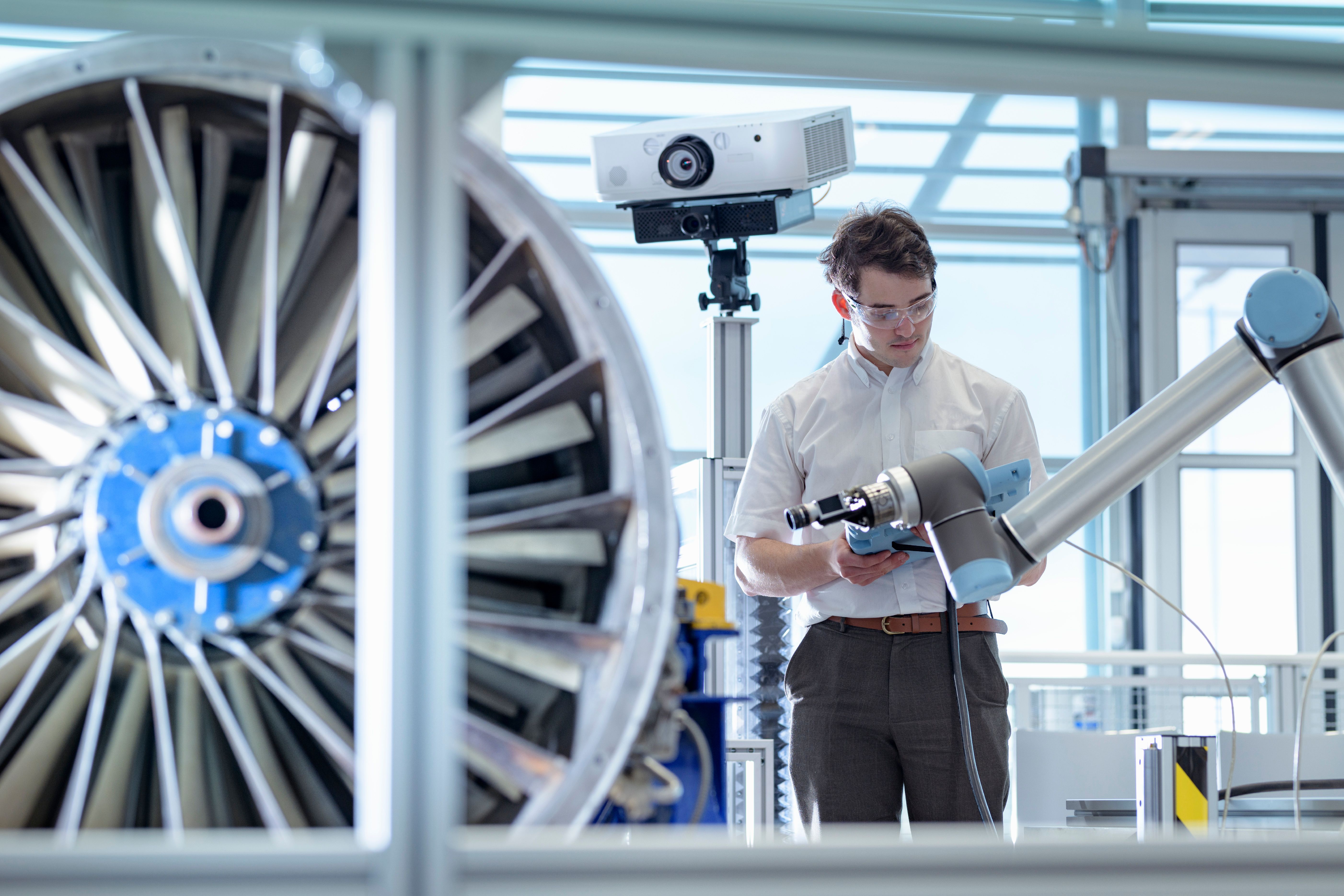
Not all work instruction platforms are suitable for aerospace manufacturing.
When choosing work instruction software, manufacturers should look for more than just basic document management. The right tool should help standardize work processes, improve how operators perform tasks, collect production data, and keep a complete record of how work was done over time.
The following capabilities are often the most important when evaluating aerospace work instruction software:
1. Eliminating Errors with Visual Guidance
Reducing mistakes through visual guidance is crucial. Your system should clearly track: -Process revisions -Approval history -Execution timestamps -Operator actions In aerospace manufacturing, traceability is not optional.
2. Visual Operator Guidance
Complex assemblies are easier for operators to understand and fulfill correctly with: -Annotated images -Videos -3D visuals -Interactive instructions
Research on digitalized work instructions shows that visual and multimodal guidance can reduce errors, improve comprehension, and increase manufacturing efficiency.
3. Real-Time Data Collection
Modern aerospace manufacturers rely more than ever on execution-level data. Your work instruction platform should capture: -Torque values -Inspection results -Cycle times -Serial numbers -Operator confirmations -Quality measurements This creates stronger process visibility and faster root-cause analysis.
4. Integration Capabilities
Aerospace manufacturers rarely operate with standalone systems. Your software should integrate with: -ERP systems -MES platforms -QMS software -IoT devices -Torque tools -Scanners This helps create a more complete digital thread across production.
Learn more about connected manufacturing integrations: VKS EDGE Connected Manufacturing
Why Human-Centric Manufacturing Matters in Aerospace
Recent Industry 5.0 research highlights the growing importance of combining advanced digital technologies with human expertise to improve manufacturing quality, resilience, and safety. Rather than replacing workers, the most successful aerospace manufacturers are building environments where people and technology work together to achieve higher levels of performance.
Aerospace manufacturing is unique because it involves complex assemblies and strict quality standards. Workers often make quick decisions and adapt to specific situations that automation can’t always address.
Human-centric manufacturing values workers by using technology to simplify tasks and reduce errors. Digital work instructions guide operators through complex procedures, ensuring important steps aren’t missed. These tools provide real-time feedback and visual aids, maintaining consistency while allowing for flexibility.
In aerospace, where quality is crucial, these digital resources enhance reliability, speed up training, and preserve valuable knowledge. Recent research shows that combining technology with human expertise leads to better manufacturing quality and safety, creating environments where people and technology collaborate effectively.
Connected Worker Platforms Support Aerospace Manufacturing
Aerospace manufacturing goes beyond just basic shop-floor documentation. Companies in 2026 need advanced work instruction systems that ensure precision, traceability, compliance, and operational flexibility.
By using the right digital work instruction platform, aerospace manufacturers can minimize errors, improve consistency in their processes, strengthen their compliance with AS9100 standards, and build a more robust digital manufacturing foundation.
Most importantly, modern work instruction software allows aerospace companies to improve operations incrementally instead of relying on large transformation projects.
If you are evaluating aerospace work instruction software, the goal is not just digitization. The goal is to create a connected, traceable, audit-ready manufacturing environment that supports both operators and quality teams.
To continue exploring how modern manufacturing systems integrate with aerospace operations, you can read more here: Aerospace work instructions